

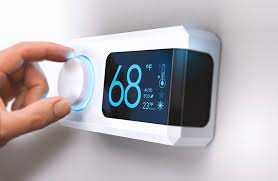
The thermostat is one of the most underrated and ignored components of a heating system. Homeowners often face issues with it. They feel that their thermostat is bad and doesn’t function well. The thermostat is crucial as it helps to set the temperature. Lack of cool or hot air is a clear sign of your thermostat not working well. When you are facing thermostat related issues, reach out to Air Makers. They will diagnose why it isn’t serving you well and replace it if needed. The experts will also guide you on how to make your thermostat last longer. If you are someone who has gone through multiple thermostats and can’t seem to figure out why that happens, read on to know more. Following are some of the causes that can hamper its performance.
Exposure to Dust
Dirt, dust and debris are good for no one. They are also not great for the thermostat. It has the potentiality to interfere with the mechanical aspects of the units and cause malfunction. You can do a simple test to figure if dust is what is causing thermostat problems. The first step is uncovering the thermostat after switching it off. After that, take a small brush, a dry piece of cloth or compressed air to clean the unit. Make sure that you don’t use water to clean it.
Issues with power supply
The insufficient power supply can also impact the thermostat’s performance. Some of the factors are as follows:
- Failed Batteries: the batteries being used in the thermostat need to be changed regularly. If that doesn’t happen then the thermostat will start to malfunction even before a warning arises. Getting a fresh set of batteries is the ideal solution to this issue.
- Wiring Trouble: Checking the wiring of the thermostat will help you to determine if it is bad or not. Corroded, loose and defective wires can prevent the thermostat from performing. Problems can also be caused by the switches present on the AC and thermostat units.
- Flipped Breaker: This problem only arises with wired thermostats as they have a wired electrical panel. You can check the panel and flip the one for the thermostat. There will be labelling which will help you to figure it out.
Problem Anticipator
The newer thermostat models don’t have anticipators. If you have an older model, this problem might arise. A problem anticipator is a metal tab that is under the unit cover. They are labelled longer and shorter cycles, and you can adjust them accordingly. It is a good solution for the short run. However, it can only be solved correctly by professional maintenance.
Reach out to the experts
Whenever faced with any issue with your thermostat or any other element of your heating or cooling system, you must reach out to the experts. DIY repairs can go as right as they can go wrong. It can also be expensive in the long run. Reaching out to the experts, in the beginning, will help you to solve the problem before it blows out of proportion.
